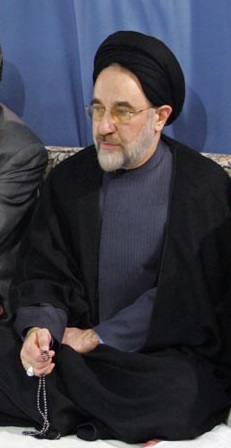
Iran Supreme Leader authority has been granted to the government for dialogue, signaling a notable shift in the political landscape. This new development could impact future negotiations and domestic policies.
Iran’s Political Landscape Changes
In a notable shift within Iran’s political landscape, recent statements from the government indicate a newfound authority granted by the Supreme Leader. This development marks a significant change in the dynamics of governance and dialogue in the country.
The Supreme Leader’s decision to allow the government greater involvement in discussions holds potential implications for various aspects of Iranian politics. Observers are keenly analyzing how this shift will influence both domestic and international relations.
- Increased Dialogue: The government’s role in dialogue may lead to more open discussions on pressing issues.
- Policy Shifts: With the Supreme Leader’s support, the government may implement reforms that reflect public sentiment.
- External Relations: Improved dialogue could enhance Iran’s interactions with other nations.
This evolution of the Iran Supreme Leader authority signals a transformative period for the nation.
Pezeshkian’s Statement on Authority
In a recent statement, Iranian politician Masoud Pezeshkian highlighted a significant shift in the dynamics of power within the government. He noted that the Iran Supreme Leader’s authority has evolved, allowing the government to engage more actively in dialogue with various stakeholders. Pezeshkian emphasized the importance of this development, suggesting that it could lead to more constructive discussions on pressing national issues.
“The Supreme Leader has recognized the necessity of governmental involvement in dialogue,” Pezeshkian stated, reinforcing the idea that this newfound authority is a step towards enhancing political discourse. He urged officials to take advantage of this opportunity to address citizen concerns and foster a more responsive governance model. This change reflects a growing recognition of the need for collaborative dialogue in Iran’s complex political landscape.
Impact of New Government Powers
The recent developments in Iran’s political landscape have led to a notable shift in the balance of power, particularly regarding the Iran Supreme Leader authority. As government officials gain new powers, the dialogue surrounding key national issues has become more dynamic. This change is primarily attributed to the Supreme Leader’s decision to delegate certain responsibilities to government representatives, enabling them to engage in discussions that were previously reserved for the highest echelons of power.
In this context, the implications are significant:
- Increased Government Engagement: Officials are now more involved in policy discussions.
- Broader Public Debate: This shift encourages a more open dialogue on pressing issues.
- Potential for Reform: New government powers may lead to reforms aligned with public demands.
Ultimately, the evolving dynamics underscore the importance of collaborative governance in Iran.
The Role of Dialogue in Iran
The recent shift in Iran’s political dynamics highlights the importance of dialogue, particularly in relation to the Iran Supreme Leader authority. As the government gains more power to engage in discussions, the role of dialogue becomes increasingly significant in shaping policies and addressing public concerns.
Officials are now encouraged to communicate openly with citizens, fostering a sense of trust and collaboration. This new approach aims to bridge the gap between the government and the populace, allowing for a more inclusive decision-making process.
Key benefits of this dialogue-driven approach include:
- Increased transparency in governance
- Enhanced public participation in policy formulation
- Strengthened relationships between officials and citizens
Ultimately, the evolving authority of the Iran Supreme Leader may lead to a more responsive and accountable government, benefiting the entire nation.
Future of Iran’s Governance
The future of Iran’s governance appears to be shifting as the Supreme Leader’s authority evolves in response to changing political dynamics. This newfound flexibility allows for a greater dialogue between the government and various factions within the country. Observers believe that this could lead to a more inclusive approach to policy-making, fostering cooperation among different political groups.
With the Supreme Leader granting the government some authority to engage in dialogue, several key developments may emerge:
- Increased Political Participation: Citizens may feel more empowered to voice their opinions and concerns.
- Enhanced Diplomatic Relations: A stronger dialogue framework could facilitate better international relations.
- Policy Reforms: The government might implement changes that reflect public sentiment.
Overall, the evolving dynamics regarding the Iran Supreme Leader authority could lead to significant transformations in the country’s governance.
The recent developments in the political landscape have highlighted the growing influence of Iran Supreme Leader authority in shaping governmental dialogue. As factions within the government seek to align with this authority, the potential for meaningful reforms increases.
By Khamenei.ir via Openverse
One thought on “Iran Supreme Leader Authority: Government Dialogue Gains Power”