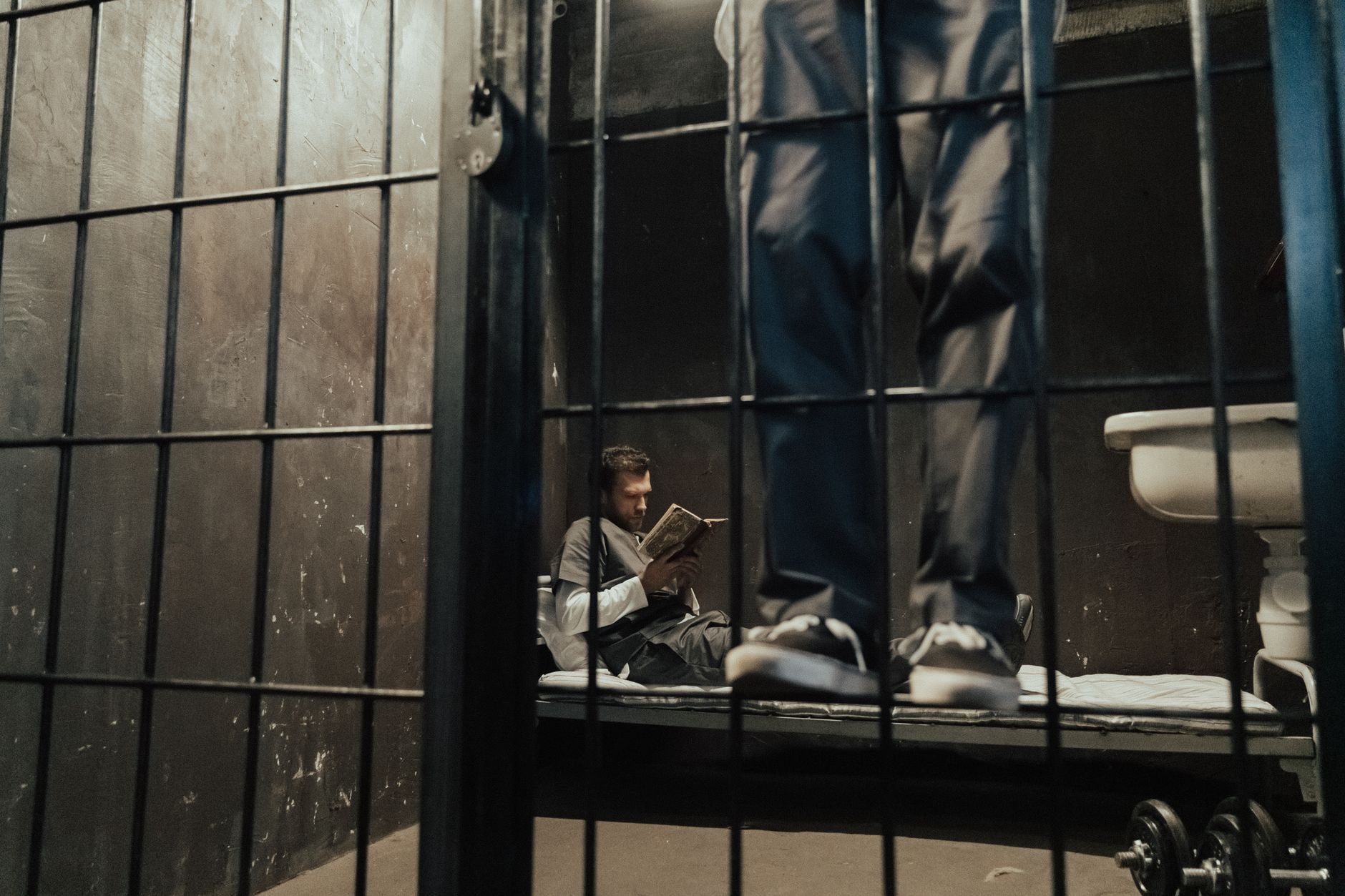
ICE detention shooting has raised serious questions about the treatment of individuals in custody. A man shot by ICE claims he was detained with a bullet lodged near his spine, prompting public outcry.
Overview of the incident
On a Tuesday morning in New York, an incident involving ICE personnel escalated into a shooting that has raised serious concerns about the safety protocols within immigration detention facilities. A man who was shot during the encounter revealed that he was detained with a bullet still lodged near his spine, highlighting the troubling circumstances surrounding the event.
The shooting occurred as ICE agents attempted to apprehend the man, who had been living in the U.S. without legal documentation. According to eyewitness accounts, the situation quickly turned chaotic, resulting in the use of firearms by the agents involved. The man, whose identity remains undisclosed, suffered critical injuries and was rushed to a nearby hospital for treatment.
This incident has sparked a debate about the use of force by immigration authorities and the broader implications of ICE detention practices. Critics argue that such confrontations could be avoided through more humane approaches to immigration enforcement. Additionally, the psychological impact on detainees and their families cannot be overlooked.
As investigations continue, many are calling for transparency and accountability from ICE, demanding answers regarding the protocols in place during such high-stakes operations. The repercussions of this ICE detention shooting may resonate far beyond this particular case, prompting a national dialogue on immigration enforcement.
Victim’s account of the shooting
In a harrowing account, the victim of the ICE detention shooting recounted the traumatic events that led to his hospitalization. Speaking from his hospital bed, where he is recovering from surgery, he described the moments leading up to the incident.
“I was just sitting there, feeling trapped and scared,” he said, reflecting on his time in detention. “I never thought I would be shot while in a place that was supposed to keep me safe.” The victim, who has chosen to remain anonymous, expressed disbelief at the violence that erupted within the facility.
He detailed that he was unaware of the impending danger when the shooting started. “It all happened so fast. One moment I was talking to another detainee, and the next, I heard the gunfire.” The bullet, which remains lodged near his spine, has left him with limited mobility and severe pain.
“I just want to go home,” he continued, emphasizing the emotional toll the incident has taken on him and his family. “This shouldn’t happen to anyone, especially not in a detention center.” His story highlights the urgent need for scrutiny regarding safety protocols in ICE facilities, particularly following the ICE detention shooting that has garnered national attention.
Response from ICE officials
In response to the recent ICE detention shooting, officials from the U.S. Immigration and Customs Enforcement (ICE) have issued a statement addressing the incident and its implications. They emphasized their commitment to ensuring the safety and security of all individuals in their custody.
According to ICE, the agency is conducting a thorough investigation into the circumstances surrounding the shooting, which has raised significant concerns about the treatment of detainees. ICE officials stated:
- “The safety of all individuals in our facilities is our top priority, and we take any incident of this nature very seriously.”
- “We are cooperating fully with local law enforcement and will provide updates as more information becomes available.”
- “Our protocols are designed to prevent such incidents, and we are reviewing our processes to identify any necessary improvements.”
Critics have voiced concerns that the ICE detention shooting highlights systemic issues within the detention system, including inadequate training and oversight. As investigations continue, advocates are calling for reforms to ensure that detainees are treated humanely and that their safety is prioritized.
With the victim now recovering and seeking legal recourse, the consequences of this incident could have lasting effects on public perception of ICE and its operational practices.
Public reaction and protests
In the wake of the ICE detention shooting, public reaction has been swift and intense. Numerous protests have erupted across various cities, with demonstrators voicing their outrage over the incident and demanding accountability from immigration enforcement agencies.
Activists argue that this shooting highlights larger systemic issues within the detention system, including the treatment of detainees and the use of excessive force. Many participants in these protests carried signs with messages such as “No justice, no peace” and “End ICE now,” emphasizing their demand for reforms.
Community leaders have also expressed their concerns, stating that incidents like these perpetuate a culture of fear among immigrant populations. During a recent rally, one speaker noted, “This is not just about one man; it’s about the countless others who suffer in silence.”
Social media has played a significant role in amplifying voices against the shooting, with hashtags trending in solidarity with the victim. Videos of protests have garnered thousands of views, as people share their stories and experiences with ICE.
As public sentiment continues to rise, calls for a reevaluation of ICE practices and policies are echoing louder than ever, with many advocating for an end to detention altogether.
Legal implications of the case
The recent ICE detention shooting has raised significant legal questions regarding the actions of federal agents and the rights of detainees. Legal experts suggest that this incident could lead to a series of lawsuits against the agency, particularly concerning the use of force and the treatment of individuals in custody.
One major implication centers around the potential violation of constitutional rights. Detainees are afforded certain protections under the Fourth Amendment, which guards against unreasonable searches and seizures. If it is determined that the shooting was unjustified, there could be grounds for claims of excessive force.
Additionally, there are concerns regarding the adequacy of medical care provided to individuals in ICE detention. The victim’s account highlights a troubling reality: a bullet lodged near his spine raises questions about the medical response after the incident. If the agency is found negligent in providing necessary medical treatment, it may face further legal challenges.
Moreover, this case could set a precedent for future incidents involving ICE. As public scrutiny of immigration enforcement intensifies, legal ramifications may extend beyond this specific shooting. Stakeholders are monitoring this situation closely to understand its potential impact on immigration policy and the operational practices of ICE.
Future of ICE detention policies
The recent ICE detention shooting raises significant questions about the future of detention policies within the agency. As scrutiny intensifies, policymakers are increasingly faced with the need to reassess the protocols governing the treatment of individuals in custody.
Many advocates argue that the incident highlights a broader pattern of systemic issues within ICE facilities, including inadequate mental health support and insufficient training for officers handling complex situations. As a result, there is a growing call for reform, with suggestions including:
- Increased oversight of ICE detention centers to ensure compliance with safety and human rights standards.
- Enhanced training for personnel on de-escalation tactics and mental health awareness.
- Alternatives to detention, such as community-based programs that could reduce the need for confinement.
Moreover, the legal implications stemming from this shooting could lead to stricter regulations surrounding the use of force in detention scenarios. As public pressure mounts, legislators may feel compelled to take action, potentially reshaping the future of ICE detention policies.
Ultimately, the consequences of this incident may serve as a catalyst for meaningful change, prompting a reevaluation of how detainees are treated and the overall mission of the agency.
The ICE detention shooting has sparked widespread protests and calls for reform within the immigration system. Many advocates argue that the consequences of the ICE detention shooting extend far beyond the immediate incident, affecting families and communities nationwide.
Photo by Ron Lach on Pexels


2 thoughts on “ICE detention shooting: What are the real consequences?”