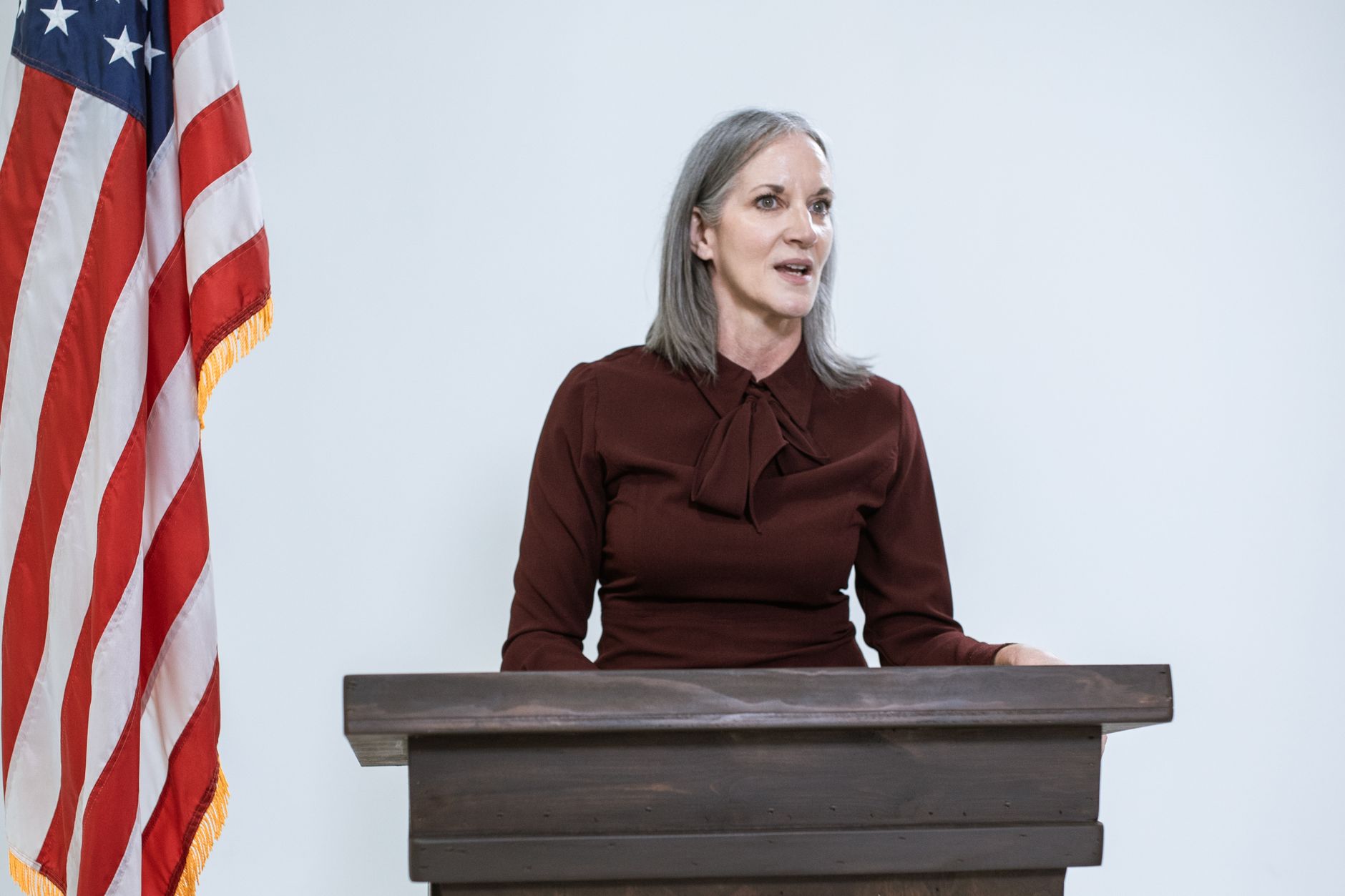
Susan Collins claims have been a topic of recent debate, with some of her assertions being called into question. This article explores the accuracy of her statements and the implications of her dismissal of recent reporting.
Background on Susan Collins
Susan Collins, a long-serving Republican senator from Maine, has been a prominent figure in American politics for decades. First elected to the Senate in 1996, she has built a reputation as a moderate voice, often straddling the line between party loyalty and independent thought. Over the years, Collins has faced scrutiny over her voting record and public statements, with many critics arguing that her claims do not always reflect the realities on the ground.
Recently, Collins has made headlines by dismissing critical reporting as “old news,” which has raised eyebrows among her constituents and political analysts alike. This response has led to a deeper examination of her statements and the validity of her claims. As the political landscape continues to shift, Susan Collins claims have come under increasing scrutiny.
In particular, some of her assertions regarding health care, taxation, and social issues have been challenged for lacking supporting evidence. Critics argue that her misstatements could influence public opinion and policy decisions. As a result, her credibility has become a focal point for both supporters and detractors, prompting discussions about accountability and truth in politics.
As Collins continues her tenure, the implications of her claims and the responses they elicit will undoubtedly remain a significant aspect of her political narrative.
Recent Controversies
In recent weeks, Senator Susan Collins has found herself at the center of several controversies regarding her public statements and the accuracy of her claims. Critics have raised concerns about the veracity of her assertions, particularly in relation to key issues affecting her constituency.
Several prominent instances have surfaced, highlighting discrepancies in her statements. Some of the most notable controversies include:
- Healthcare Policy: Collins has claimed to support measures that would protect pre-existing conditions, yet critics argue that her voting record contradicts this stance.
- Tax Legislation: She has asserted that the recent tax cuts would benefit middle-class families, but data from non-partisan organizations suggest otherwise, indicating that wealthier individuals may receive the most significant advantages.
- Climate Change Initiatives: Collins has often touted her commitment to environmental issues, but environmental groups have pointed out her opposition to critical funding for renewable energy programs.
These controversies have led to a growing skepticism among voters about the reliability of Susan Collins’ claims. As the political landscape continues to shift, her statements may come under further scrutiny, challenging her credibility as she seeks to maintain her position in the upcoming election.
Fact-Checking Collins’ Statements
In a recent interview, Senator Susan Collins asserted several claims that have raised eyebrows among analysts and fact-checkers alike. While she dismissed critical reporting as “old news,” a closer examination reveals discrepancies in her statements.
One of the key assertions made by Collins was her stance on healthcare reform, where she stated that the majority of Mainers support her position on preserving certain provisions of the Affordable Care Act. However, recent surveys indicate a more divided opinion among constituents, with many favoring further reforms rather than maintaining the status quo.
Additionally, Collins claimed that her votes in the Senate have consistently aligned with the interests of her constituents. Fact-checkers have highlighted instances where her support for bipartisan legislation did not reflect the majority sentiment, particularly on issues like tax reforms and environmental regulations.
Another point of contention revolves around her comments on funding for education. Collins asserted that federal funding has increased under her watch, failing to mention the cuts that have impacted local districts. Critics argue that her claims do not accurately portray the funding landscape.
As Susan Collins claims continue to circulate in the media, it becomes increasingly important for voters to scrutinize her statements and seek out the facts behind the rhetoric.
Public Reaction to Claims
The public reaction to Susan Collins claims has been a mix of skepticism and concern, especially among her constituents. Many have taken to social media platforms to voice their opinions, expressing disbelief over her recent statements. The controversy has sparked debates on forums and discussion boards, with users dissecting her claims in detail.
Critics argue that Collins’ misstatements could undermine trust in her leadership. A number of constituents have expressed that they feel misled, prompting some to reconsider their support in upcoming elections. “It’s frustrating to see a senator who doesn’t seem to acknowledge the truth,” said one local resident.
Supporters of Collins, however, have defended her, suggesting that the backlash is politically motivated. They argue that her claims are being taken out of context and that her intentions are being misinterpreted. “Susan has always stood up for Maine,” remarked a supporter during a recent rally. “We need to focus on the bigger picture.”
As the discourse continues, several organizations have stepped in to provide fact-checks and analyses, aiming to clarify the accuracy of Collins’ statements. With the upcoming election looming, how the public perceives these claims may play a crucial role in shaping her political future.
The Role of Media in Politics
In the current political landscape, the role of media in shaping public perception cannot be overstated. As Susan Collins claims various narratives to defend her positions, the media plays a critical role in scrutinizing these assertions and providing context for the electorate. The intersection of journalism and politics has become increasingly complex, particularly as politicians leverage social media to bypass traditional news outlets.
Many news organizations have taken on the responsibility of fact-checking statements made by public figures, including Collins. This practice is essential for maintaining transparency and accountability in government. However, the response from politicians often varies; some embrace the scrutiny, while others, like Collins, may dismiss negative reports as “old news.”
While it is essential for politicians to communicate their viewpoints, it is equally crucial for the media to hold them accountable for their claims. This dynamic fosters an informed public, which is vital for a functioning democracy. When Collins asserts her views, the media must ensure that the facts are presented accurately, allowing voters to make informed decisions.
Furthermore, the implications of misstatements can be far-reaching. As public opinion is influenced by the accuracy of reported claims, the responsibility falls on both the media and politicians to engage in honest discourse, which ultimately benefits the democratic process.
Conclusion and Future Implications
As the political landscape continues to evolve, Susan Collins claims have sparked significant debate and scrutiny among both the public and media outlets. The analysis of her statements has highlighted discrepancies that raise questions about the integrity of her message and the implications for her political future.
In light of the fact-checking conducted on her recent comments, it is clear that the consequences of misstatements or misleading information can be profound. With increased access to information, voters are becoming more knowledgeable and critical of political narratives. This trend suggests that future claims made by Collins or any politician will be met with a heightened level of skepticism.
Furthermore, the role of the media in scrutinizing political figures cannot be understated. As seen in the recent controversies surrounding Collins, accurate reporting is essential in holding elected officials accountable. The intersection of facts and public perception will likely play a pivotal role in shaping future electoral outcomes.
Ultimately, as constituents become more discerning, politicians may need to adapt their communication strategies to maintain trust and support. The implications of Collins’ claims and the surrounding discourse serve as a call to action for greater transparency and honesty in political communication, ensuring that voters are equipped with the facts they need to make informed decisions.
Susan Collins claims that her statements have been misinterpreted by critics seeking to undermine her position. Furthermore, Susan Collins claims that the evidence she presented clearly supports her arguments and is based on factual data.
Photo by RDNE Stock project on Pexels



2 thoughts on “Susan Collins Claims: The Wrong Facts and Proven Misstatements”