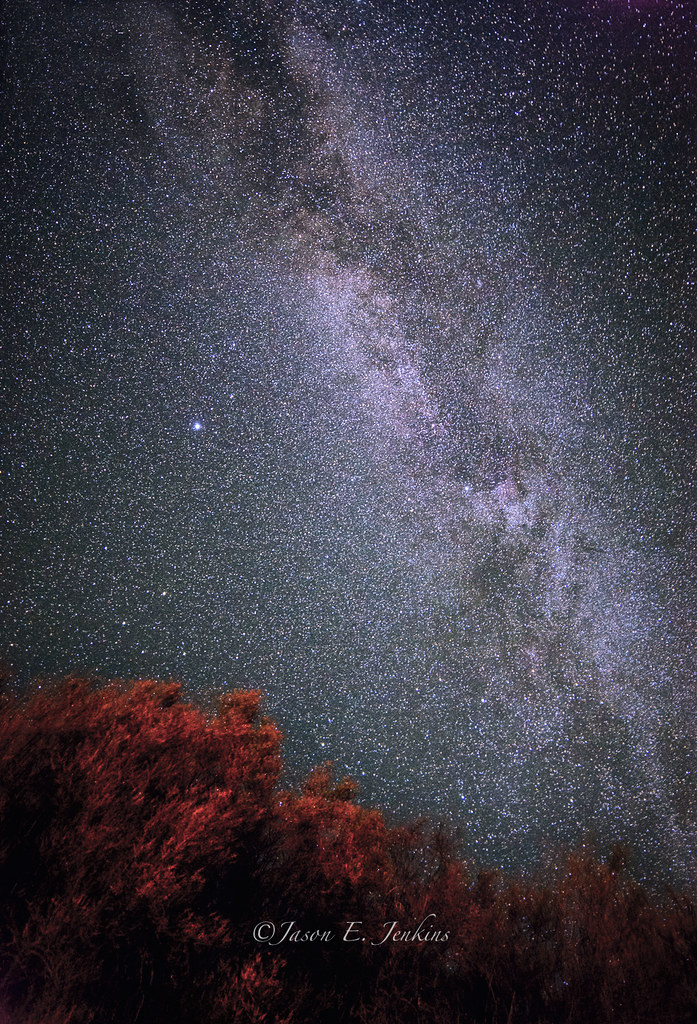
what is airglow? This phenomenon is a natural light emitted by the Earth’s atmosphere, visible from space. Recently, astronaut Shubanshu Shukla captured stunning images showcasing this ethereal glow.
Understanding Airglow
Airglow is a fascinating natural phenomenon that occurs in the upper atmosphere, producing a faint but visible light that can be seen from Earth. This light is a result of various chemical reactions taking place in the atmosphere, especially in the mesosphere and lower thermosphere.
Understanding airglow involves recognizing the interactions between solar radiation and atmospheric particles. Some key aspects of airglow include:
- Chemical Reactions: Excited molecules emit light as they return to lower energy states.
- Nighttime Visibility: Airglow can often be observed on clear, dark nights, creating a soft glow in the sky.
- Colors of Airglow: The phenomenon can appear in various colors, including green, red, and blue, depending on the specific gases involved.
Astronaut Shubanshu Shukla’s recent capture of this shimmering effect from space highlights the beauty and complexity of airglow, reminding us of the intricate processes at play in our atmosphere.
The Science Behind Airglow
Airglow is a faint, natural illumination of the Earth’s atmosphere that occurs at night, caused by various chemical reactions in the upper atmosphere. It is most visible when the sky is clear and dark, revealing a soft, ethereal glow that can be seen from the surface of the Earth or space.
The primary source of this phenomenon is the interaction of solar radiation with atmospheric gases. When solar particles collide with oxygen and nitrogen molecules, they excite these atoms, causing them to emit light as they return to their normal state. This process can be influenced by several factors, including:
- Time of year: Airglow intensity can vary with seasonal changes.
- Location: Areas with minimal light pollution are ideal for viewing.
- Solar activity: Increased solar storms can enhance airglow brightness.
Overall, understanding airglow provides insight into the complex interactions between solar energy and our atmosphere, highlighting the beauty of this natural phenomenon.
How Astronauts Capture Airglow
Astronauts have a unique vantage point to observe and capture the phenomenon known as airglow. From the International Space Station, they can see the Earth’s atmosphere illuminated by this faint yet captivating light, which occurs due to the interaction of solar radiation with atmospheric gases.
To capture airglow, astronauts use high-resolution cameras equipped with special filters that enhance the visibility of this ethereal glow. The process involves:
- Timing: Astronauts often wait for nighttime conditions on Earth, allowing airglow to stand out against the dark backdrop of space.
- Angle: They adjust the angle of the camera to maximize the visibility of the airglow, ensuring it is captured effectively.
- Post-processing: After taking images, they often enhance color and contrast in post-processing to showcase the beauty of airglow.
This captivating display not only intrigues scientists but also inspires awe in those who view the images taken from above our planet.
Impact of Airglow on Earth Observation
The phenomenon of airglow plays a significant role in Earth observation, providing valuable insights into our planet’s atmosphere and its behavior. Airglow is the faint natural light emitted by the Earth’s atmosphere, primarily due to the interaction of solar radiation with atmospheric gases.
This subtle illumination can be observed from space, offering a unique perspective for scientists and astronauts alike. By studying airglow, researchers can:
- Monitor atmospheric composition: Airglow helps in understanding the distribution of various gases in the atmosphere, which is essential for climate studies.
- Track temperature changes: Variations in airglow intensity can indicate changes in atmospheric temperature, shedding light on weather patterns.
- Assess pollution levels: Analyzing airglow can provide information about air quality and pollution, assisting environmental monitoring efforts.
In summary, airglow not only enriches our visual experience of Earth from space but also serves as a critical tool in advancing our knowledge of atmospheric science.
To understand what is airglow, we must explore the interaction between solar radiation and the Earth’s atmosphere. This phenomenon occurs when atoms and molecules in the upper atmosphere emit light, leading to the beautiful glow we observe at night.
By j-dub1980(THANK YOU FOR 100k+ Views) via Openverse
Read the original
You might also like
Is Midland Credit Management India the Best Workplace for Inclusion? · Prime Day tech deals: Are These the Best October Offers? · Public faith in polls: Right approach for honest elections
2 thoughts on “What is Airglow? The Simple Science Behind This Phenomenon”