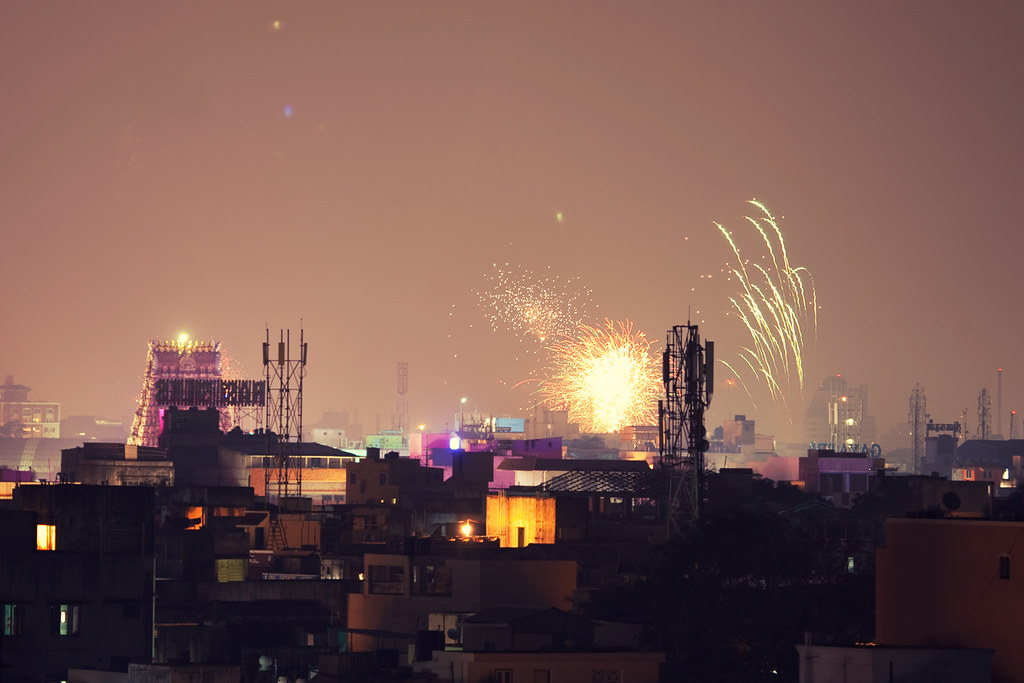
Polluted cities today highlight the alarming air quality crisis in India, particularly in Hoshiarpur and Rohtak. These cities are facing hazardous AQI levels, raising health concerns for residents.
Understanding AQI Levels
The Air Quality Index (AQI) is a crucial metric used to measure and communicate air pollution levels in cities around the world. Understanding AQI levels is vital, especially in polluted cities today, where air quality can significantly impact public health.
The AQI scale ranges from 0 to 500, categorizing air quality into different levels:
- 0-50: Good – Air quality is considered satisfactory, and air pollution poses little or no risk.
- 51-100: Moderate – Air quality is acceptable; however, there may be a concern for a very small number of people who are unusually sensitive to air pollution.
- 101-150: Unhealthy for Sensitive Groups – Members of sensitive groups may experience health effects, but the general public is unlikely to be affected.
- 151-200: Unhealthy – Everyone may begin to experience health effects; members of sensitive groups may experience more serious health effects.
- 201-300: Very Unhealthy – Health alert; everyone may experience more serious health effects.
- 301-500: Hazardous – Health warnings of emergency conditions. The entire population is more likely to be affected.
In cities like Hoshiarpur and Rohtak, the AQI has reached hazardous levels, highlighting the urgent need for action to combat pollution.
Impact of Pollution on Health
The impact of pollution on health is a pressing concern in polluted cities today, particularly in India, where the air quality index (AQI) often reaches hazardous levels. Exposure to high levels of air pollution can lead to a variety of health issues, affecting both the respiratory and cardiovascular systems.
Individuals living in areas with poor air quality are at an increased risk of developing conditions such as:
- Asthma: Pollutants can trigger severe asthma attacks, making it difficult for individuals to breathe.
- Chronic Obstructive Pulmonary Disease (COPD): Long-term exposure to polluted air can worsen lung function.
- Heart Disease: Air pollution has been linked to an increased risk of heart attacks and strokes.
- Lung Cancer: Prolonged exposure to toxic air can increase the likelihood of developing lung cancer.
- Developmental Issues in Children: Children exposed to polluted air may face developmental delays and respiratory problems.
With cities like Hoshiarpur and Rohtak leading the list of polluted cities today, urgent action is needed to address these health risks and improve air quality for citizens.
Top Polluted Cities in India
India continues to struggle with severe air pollution, and recent reports highlight the cities that are currently facing the worst air quality. The top polluted cities today reflect alarming levels of air quality index (AQI), putting residents at significant health risks.
- Hoshiarpur – This city has recorded some of the highest AQI levels, categorizing it as having a ‘hazardous’ status.
- Rohtak – Following closely behind, Rohtak also shows dangerously high AQI readings, making outdoor activities hazardous.
- Amritsar – Another city experiencing critical pollution levels, Amritsar’s air quality remains a concern for its residents.
- Patiala – With a significant presence of industrial emissions, Patiala ranks among the most polluted cities today.
- Faridkot – This city is also noted for severe air quality, impacting the health of its inhabitants.
These cities represent just a portion of the ongoing pollution crisis in India, where many urban areas struggle with air quality that poses serious health dangers.
Government Actions on Air Quality
The Indian government has taken several measures to address the alarming air quality in polluted cities today. These initiatives aim to reduce emissions and improve the overall environmental conditions across urban areas.
Among the key actions implemented are:
- Introduction of stricter vehicle emission norms: The government is enforcing tighter regulations on vehicle emissions to curb pollution from transportation.
- Promotion of public transportation: Expanding public transport options is a priority, encouraging citizens to opt for buses and trains instead of personal vehicles.
- Implementation of pollution control technologies: Industries are being urged to adopt cleaner technologies and practices to minimize their environmental impact.
- Public awareness campaigns: The government is actively educating citizens on the importance of air quality and the steps they can take to reduce pollution at an individual level.
Despite these efforts, cities like Hoshiarpur and Rohtak continue to struggle with hazardous AQI levels. As the situation remains critical, ongoing government actions are essential to combat the challenges posed by polluted cities today.
Public Awareness and Education
As air quality deteriorates in many urban areas, public awareness and education play a crucial role in combating pollution. In polluted cities today, especially in India, understanding the risks associated with poor air quality is essential for fostering proactive health measures among residents.
Community initiatives aimed at educating citizens about the implications of air pollution are becoming increasingly vital. These programs often include:
- Workshops and Seminars: Focused on teaching people how to monitor air quality and recognize the dangers of high AQI levels.
- School Programs: Engaging students in discussions on environmental science, pollution sources, and sustainable practices.
- Social Media Campaigns: Utilizing platforms to spread awareness about the health impacts of pollution and sharing tips for reducing exposure.
Additionally, collaboration with local NGOs and healthcare providers can enhance outreach efforts, ensuring that communities understand how to protect themselves from hazardous conditions. By increasing awareness, residents can make informed choices that contribute to better air quality and overall public health in polluted cities today.
Long-term Effects of Pollution
The long-term effects of pollution are becoming increasingly apparent, especially in the most polluted cities today. Prolonged exposure to poor air quality can lead to a multitude of health issues, significantly impacting the population’s overall well-being.
Research indicates that individuals living in areas with high levels of air pollution are at a greater risk of developing chronic diseases, including:
- Respiratory diseases: Conditions such as asthma and chronic obstructive pulmonary disease (COPD) can worsen due to polluted air.
- Cardiovascular issues: Prolonged exposure may lead to heart diseases, increasing mortality rates among vulnerable populations.
- Neurological effects: Emerging studies suggest a link between air pollution and cognitive decline, particularly in the elderly.
- Reproductive health problems: Pregnant women exposed to high levels of pollution may experience complications, affecting fetal development.
Moreover, children are particularly vulnerable, as their developing lungs and immune systems can be adversely affected by poor air quality. As cities like Hoshiarpur and Rohtak continue to grapple with severe air pollution, understanding these long-term effects is crucial for public health initiatives.
Comparing Global Pollution Levels
As the world grapples with environmental challenges, the issue of polluted cities today remains at the forefront of discussions, particularly in India. Recent reports highlight a stark contrast in air quality between different regions globally. While countries like the United States and several European nations have made significant strides in reducing pollution levels, many cities in India continue to struggle.
According to the latest data, the top polluted cities today are dominated by Indian locations, with Hoshiarpur and Rohtak showing ‘hazardous’ Air Quality Index (AQI) levels. The situation is dire, as Punjab alone has five cities categorized within the ‘severe’ zone, indicating an urgent need for action. This alarming trend raises questions about the effectiveness of existing policies and the commitment to improving air quality.
In comparison, cities like Los Angeles and London have benefited from innovative environmental regulations and public initiatives aimed at reducing emissions. However, the contrasting scenarios underscore a growing concern: the efforts to combat pollution are not uniform globally, leading to discrepancies in air quality and public health outcomes.
Future of Urban Air Quality
As urban areas continue to expand, the future of urban air quality remains a significant concern, particularly in the context of polluted cities today. Rapid industrialization, vehicular emissions, and construction activities contribute to deteriorating air quality, prompting urgent calls for effective solutions.
Innovations in technology offer a glimpse of hope. Many cities are now exploring smart air quality monitoring systems that provide real-time data to residents and policymakers. Such systems can help identify pollution hotspots and facilitate timely interventions. Additionally, urban planning that prioritizes green spaces and sustainable transport options is essential for mitigating air pollution.
Community engagement plays a crucial role in shaping the future of urban air quality. Initiatives that encourage public participation in pollution reduction efforts can lead to more informed citizens advocating for cleaner air. Furthermore, collaborations between governments, businesses, and non-profit organizations can foster comprehensive strategies to tackle air quality issues.
Ultimately, the trajectory of air quality in cities hinges on collective action and commitment to sustainable practices, ensuring healthier environments for future generations.
By VinothChandar via Openverse
2 thoughts on “Polluted Cities Today: Worst Air Quality in India”