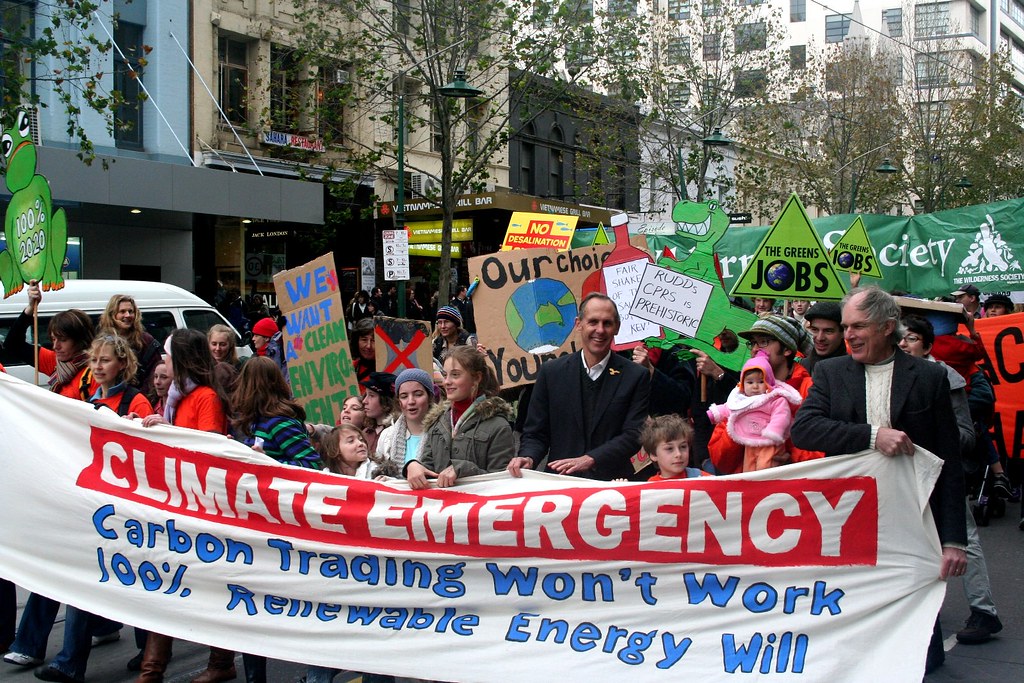
The tied Senate race highlights the shifting political landscape in a deep-red state, showcasing GOP midterm fears. This unexpected development raises questions about voter sentiment and party stability.
Understanding the Tied Senate Race
The current political landscape reveals a tied Senate race in a traditionally Republican stronghold, raising alarms for the GOP ahead of the midterm elections. This development signifies a potential shift in voter sentiment, highlighting several critical factors that could impact the upcoming elections.
Key elements contributing to this unexpected tie include:
- Changing demographics: An increase in diverse populations can alter voting patterns.
- Voter motivation: High engagement among younger voters and minorities may play a crucial role.
- Economic concerns: Inflation and job security are top priorities for many constituents.
- Candidate appeal: The popularity and relatability of candidates can influence public perception.
As the midterms approach, the tied Senate race serves as a critical indicator of potential challenges for the GOP.
Implications for GOP Strategy
The recent tied Senate race in a historically deep-red state has raised significant alarms for the GOP as the midterm elections approach. This unprecedented scenario indicates a shift in voter sentiment that could reshape the party’s strategy moving forward.
In light of these developments, the Republican Party may need to consider several key adjustments:
- Focus on Local Issues: Candidates should prioritize addressing local concerns to better connect with constituents.
- Engage Younger Voters: Strategies to mobilize younger demographics could prove crucial in breaking the tie.
- Reevaluate Messaging: A more inclusive and relatable message might resonate better with undecided voters.
- Strengthen Ground Game: Enhanced grassroots efforts could help sway the election in their favor.
Ultimately, the implications of this tied Senate race could redefine the GOP’s path as they navigate the complexities of the upcoming midterms.
Voter Sentiment Analysis
As the nation approaches the midterm elections, voter sentiment reveals growing concerns for the GOP amid a tied Senate race in what was once considered a safe Republican stronghold. Recent polls indicate a significant shift in attitudes, with many voters expressing dissatisfaction with the party’s direction.
Key factors influencing voter sentiment include:
- Economic Concerns: Rising inflation and economic uncertainty are at the forefront of voters’ minds.
- Candidate Appeal: Many GOP candidates are struggling to connect with a diverse electorate, leading to decreased enthusiasm.
- National Issues: Topics such as healthcare and social justice are resonating more with voters than traditional Republican policies.
This tied Senate race highlights the urgent need for the GOP to address these concerns to regain voter confidence before the elections.
Key Issues Influencing Voters
The current tied Senate race highlights several key issues that are significantly influencing voter decisions as midterm elections approach. Voters are increasingly focused on:
- Economic Concerns: With inflation rates rising, many constituents are worried about job security and the cost of living.
- Healthcare Access: The ongoing debate over healthcare reforms continues to resonate, particularly among older voters.
- Education Policies: Parents and educators are expressing concerns over school funding and curriculum choices, which are pivotal in shaping the electorate.
- Social Issues: Topics such as abortion rights and gun control are driving younger voters to the polls, impacting the dynamic of the tied Senate race.
These issues are creating a complex landscape that both parties must navigate as they strategize for the upcoming midterms.
Historical Context of Senate Races
The historical context of Senate races reveals significant patterns that inform the current tied Senate race. Traditionally, deep-red states have leaned heavily in favor of Republican candidates, often resulting in substantial victories. However, recent trends indicate a shift in voter behavior that could spell trouble for the GOP.
Key factors include:
- Changing demographics: An influx of diverse populations has altered the political landscape, making once-reliable Republican strongholds more competitive.
- Political polarization: Increased partisan divisions have led to heightened voter engagement, often benefiting Democratic candidates in unexpected areas.
- Voter turnout: Historical data shows that higher turnout rates in midterm elections typically favor Democrats, raising concerns for the GOP amidst a tied Senate race.
As these dynamics unfold, the implications for the Republican Party’s strategy will be critical in the upcoming elections.
By John Englart (Takver) via Openverse
Sources
Related stories
Nintendo Indie World Showcase: Best Highlights from October 2026 · Cyclone Arnab School Holiday: Is It the Right Time to Stay Home? · Trump Iran Peace Deal: The Wrong Approach to Diplomacy
One thought on “Tied Senate Race: Worst Signs for GOP Midterm Fears”