Mumbai march against SIR is scheduled for October 4, as Raj and Uddhav Thackeray unite to challenge the controversial project.
Background of the SIR project
The SIR project, or the Mumbai Suburban Infrastructure Redevelopment project, has been a topic of heated debate among residents and local leaders. Launched with the aim of enhancing the city’s infrastructure, the initiative has faced criticism and skepticism from numerous quarters.
Proponents argue that the SIR project is essential for modernizing Mumbai’s aging infrastructure, which is often overwhelmed by its growing population. They believe that improved transportation and public services will lead to better living conditions and economic growth. However, critics, including political leaders like Raj Thackeray and Uddhav Thackeray, contend that the project may prioritize profit over the welfare of residents.
The recent announcement of a joint march against the SIR project, scheduled for October 4, has galvanized various community groups and political factions. The march aims to draw attention to the potential negative impacts of the project, including:
- Displacement of local residents
- Environmental concerns
- Increased congestion and pollution
As the march approaches, questions arise about the effectiveness of this protest in influencing policy changes related to the SIR project. Many wonder if this movement can lead to a more inclusive dialogue about urban development in Mumbai.
Key figures in the Mumbai march
The recent Mumbai march against SIR has seen participation from several prominent figures in the political landscape. These leaders have rallied support for the cause, emphasizing the need for change and transparency regarding the controversial project.
- Uddhav Thackeray: The former Chief Minister of Maharashtra, Thackeray has been vocal in his opposition to the SIR project, arguing that it could jeopardize the environmental integrity of the region. He stated, “We must stand united to protect Mumbai’s future.”
- Raj Thackeray: Another influential leader, Raj Thackeray has joined forces with Uddhav to amplify their message. He highlighted the importance of public engagement in decisions affecting urban development, asserting, “The voices of the people must be heard.”
- Activists and environmentalists: Numerous grassroots activists have also participated, bringing attention to the potential ecological impact of the SIR. They have organized workshops and discussions to educate the public about the project’s implications.
- Local residents: Many residents from affected areas contributed to the march, sharing personal stories about their concerns and hopes for sustainable development in Mumbai.
As the Mumbai march against SIR continues to gain momentum, it remains to be seen whether this collective effort will lead to significant changes in policy and planning for the city.
What the march aims to achieve
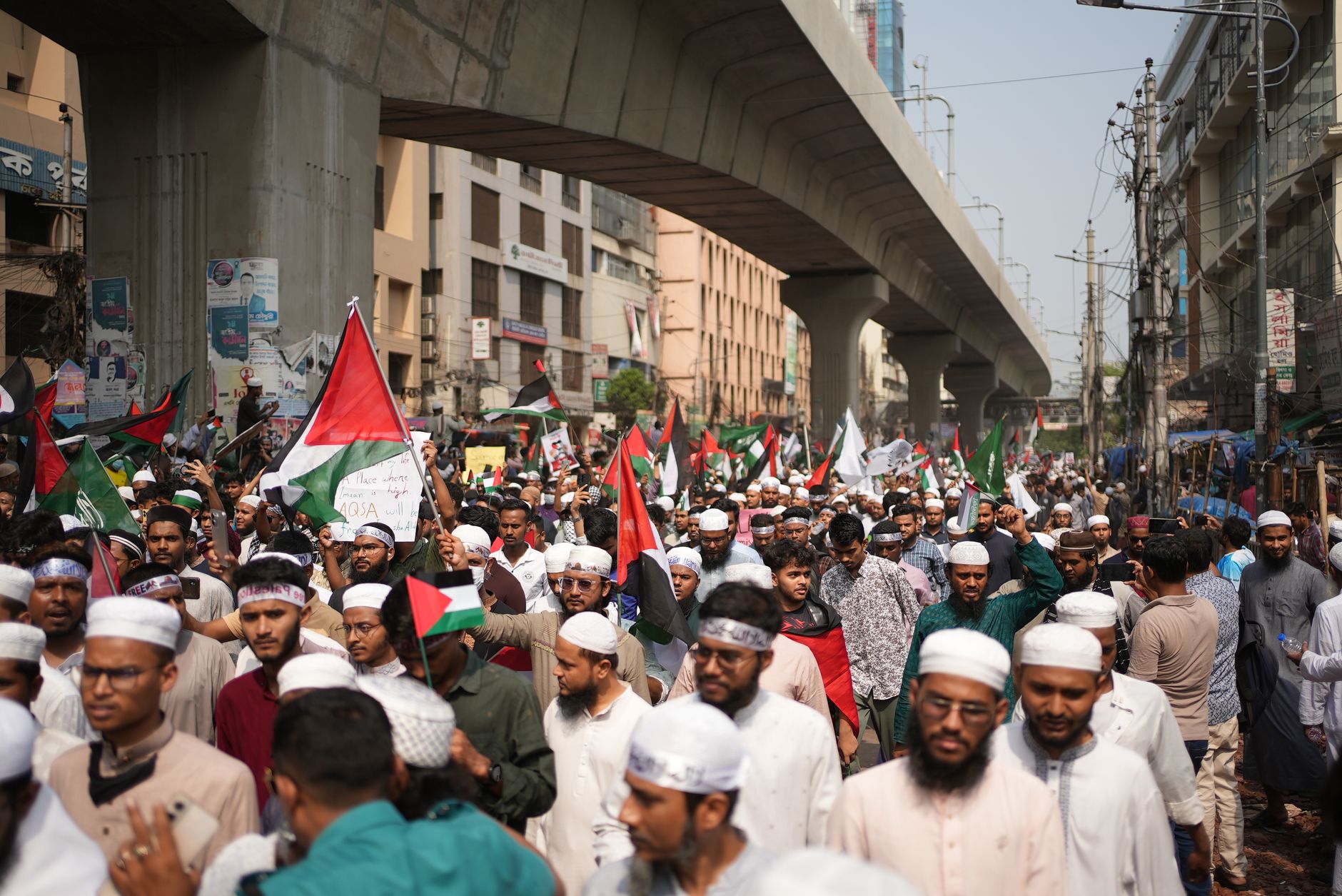
The Mumbai march against SIR is a significant demonstration aimed at raising awareness about the potential impacts of the controversial project. Participants hope to achieve several key objectives during this event.
- Awareness Raising: The primary goal of the march is to inform the public about the implications of the SIR project, particularly its effects on local communities and the environment.
- Mobilizing Support: Organizers seek to gather a large number of participants to show solidarity and amplify their message. They believe that a strong turnout will attract more media attention and public discourse.
- Policy Change: Activists are urging the government to reconsider certain aspects of the SIR project, advocating for alternatives that prioritize sustainable development and community welfare.
- Community Engagement: The march aims to foster a sense of unity among diverse groups affected by the project. By bringing people together, organizers hope to strengthen community ties and collective action.
- Dialogue with Authorities: Participants plan to demand a meeting with policymakers to discuss their concerns, emphasizing the need for transparency and public consultation in future urban planning initiatives.
As the march date approaches, excitement and anticipation build among supporters, who believe that the Mumbai march against SIR could be a pivotal moment for change in the region.
Public response to the protest
The recent Mumbai march against SIR has generated a significant response from the public, reflecting diverse opinions on the controversial project. Many participants expressed their concerns regarding the potential environmental impact of the SIR initiative, emphasizing the need for sustainable urban development. Among the protesters, a strong sentiment emerged for preserving green spaces and ensuring that the needs of local communities are prioritized.
Supporters of the march, including activists and local residents, gathered to voice their opposition, underscoring the belief that the SIR project could lead to detrimental changes in the city’s landscape. As one protester stated, “We cannot sacrifice our environment for development. It’s crucial to consider the long-term consequences.”
Conversely, some citizens have voiced their support for the SIR initiative, arguing that it could lead to much-needed infrastructure improvements in Mumbai. They believe that the project will enhance connectivity and promote economic growth. However, this perspective was less visible at the march.
The turnout at the march was notable, with participants utilizing social media to galvanize support and spread awareness about their cause. Overall, the public response reflects a growing concern for sustainable urban planning, prompting critical discussions on the balance between development and environmental preservation in Mumbai.
Potential impact on local politics
The recent Mumbai march against SIR has the potential to significantly influence local politics in the region. As thousands of citizens came together to express their concerns, it became evident that the protest is not just about the SIR project itself, but also about broader issues affecting Mumbai’s urban landscape.
Political analysts suggest that this march could serve as a turning point in the dynamics between the local government and the citizens. The participation of prominent leaders, such as Raj and Uddhav Thackeray, adds weight to the movement, drawing attention from media outlets and policymakers alike.
The implications of the march are manifold:
- Increased Political Engagement: Citizens are becoming more involved in local governance, demanding transparency and accountability from their leaders.
- Coalition Building: The unity among various political factions can lead to the formation of coalitions that challenge existing power structures.
- Policy Reassessment: Lawmakers may be prompted to revisit urban development policies, considering the public sentiment against projects like SIR.
As the march against SIR gains momentum, it remains to be seen how local politicians will respond. Will they heed the calls for change, or will they maintain the status quo? The outcome of this movement could reshape Mumbai’s future.
Upcoming events related to the march
As the city gears up for the anticipated Mumbai march against SIR on October 4, several related events are being organized to mobilize support and raise awareness about the implications of the project. These upcoming events aim to unite various community groups, activists, and concerned citizens who are wary of the SIR initiative.
- Pre-March Rally: A pre-march rally will take place on October 2 at Azad Maidan, where speakers will address the potential repercussions of the SIR project on local neighborhoods. This rally is expected to draw a diverse crowd and foster discussions about urban development.
- Awareness Workshops: Following the rally, a series of workshops will be held in different parts of the city, focusing on educating citizens about their rights and the environmental implications of the SIR. These workshops will feature experts in urban planning and environmental science.
- Online Campaign: A digital campaign is also in the works, encouraging citizens to share their views and stories related to the SIR. This initiative aims to create a virtual platform for dialogue and increase participation in the march.
These events not only aim to galvanize support for the Mumbai march against SIR but also emphasize the importance of community engagement in shaping urban policies that affect residents’ lives.
How to participate in the rally
Participating in the Mumbai march against SIR is a significant way for citizens to express their views on the controversial project. Here are some steps to ensure your involvement is impactful:
- Know the Details: The march is scheduled for October 4. Be sure to check the start time and the meeting location, which will be announced through local news outlets and social media.
- Gather Support: Bring friends, family, and community members to amplify your voice. The more people unite against SIR, the stronger the message will be.
- Stay Informed: Follow updates from organizers like Raj and Uddhav Thackeray on their social media channels. They often share important information regarding the march.
- Dress Appropriately: Wear comfortable clothing and shoes, as you may be walking for several hours. Consider bringing water and snacks to stay energized.
- Prepare Your Message: Think about what you want to convey during the march. Whether it’s a slogan, a banner, or a simple message, clarity will help communicate the concerns regarding the SIR project effectively.
By participating in the march, you join a growing movement advocating for change and expressing collective concerns over the SIR project’s implications for Mumbai.
The Mumbai march against SIR has sparked a heated debate among citizens and activists alike. Many believe that this Mumbai march against SIR could be a pivotal moment for social reform in the city.

2 thoughts on “Mumbai march against SIR: Is it the Right Move for Change?”